
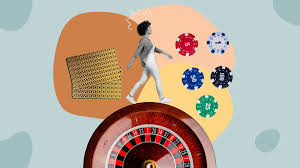
Gambling, at its core, is about risk. The thrill of wagering on an outcome where the odds are uncertain draws people in. Whether it’s placing a bet on a sports game, spinning a roulette wheel, or playing a game of cards, the element of risk is what fuels the excitement. But what is it that makes this risk so appealing? The answer lies in our psychological makeup. Our brains are hardwired to seek out rewards, and gambling offers the promise of a potential payoff that appeals to our inherent desire for gain.
People often weigh risk against the potential reward in gambling. The larger the potential payoff, the higher the risk seems to be. This is why high-stakes gamblers often chase larger jackpots or bigger wins. It’s not just about the money; it’s about the psychological thrill of the potential reward. This dynamic creates a cycle of risk-seeking behavior, where the gambler’s anticipation of winning often outweighs the possible losses. When you think of this dynamic, it’s easy to see how platforms like Jun88 can tap into this primal urge, providing an engaging environment where players take on risks for the chance of a substantial return.
The Role of Cognitive Bias
Gambling decisions are often influenced by cognitive biases—mental shortcuts that our brains use to make decisions quickly. One of the most common biases in gambling is the “gambler’s fallacy,” the belief that past events can influence future outcomes in games of chance. For example, a player might believe that a slot machine is “due” for a win after a series of losses, or they might think that a particular number is bound to hit in roulette after several spins. These biases skew our perception of risk and reward, leading to overconfidence in one’s ability to predict outcomes.
Another bias, known as “loss aversion,” also plays a major role in gambling decisions. This is the tendency to fear losses more than valuing equivalent gains. As a result, gamblers might chase losses, increasing the stakes in an attempt to recover their previous bets. This decision-making process often leads to greater financial risk without a corresponding increase in the chance of success.
The Influence of Reward Systems
Our brains are driven by reward systems that release dopamine, the “feel-good” chemical, when we experience something pleasurable. Gambling triggers this reward system, as winning a bet or hitting a jackpot results in a dopamine rush that reinforces the behavior. This creates a cycle: the more we gamble, the more our brains seek the high associated with winning.
Even losses can activate the brain’s reward system due to the potential for a future win. This paradoxical reaction reinforces the gambler’s behavior, making them more likely to return to gamble again and again. This psychological aspect of gambling explains why many gamblers find it difficult to walk away from a game, even after experiencing significant losses.
The Role of Uncertainty and Excitement
Uncertainty is another major factor driving gambling decisions. The unpredictability of outcomes—whether a football match will end in a victory or a dice roll will land on a particular number—keeps gamblers engaged. Our brains are wired to find patterns in uncertain environments, and this leads to the excitement of predicting future events. The more unpredictable and uncertain the outcome, the greater the thrill of gambling.
This thrill can be particularly evident in online platforms like Đăng ký jun88, where real-time outcomes provide an ongoing sense of unpredictability. The excitement of “not knowing” whether a bet will pay off plays a significant role in why people keep returning to gamble, seeking the next rush of uncertainty and excitement.
The Fine Line Between Fun and Addiction
While gambling can be a form of entertainment, the line between fun and addiction can blur when psychological factors intensify. As the rewards of gambling become more enticing, the risks grow larger, and the behavior can escalate into a compulsion. The psychology behind gambling decisions highlights a delicate balance between risk and reward, where the excitement of winning can sometimes lead to irrational decisions and ultimately to gambling problems.