
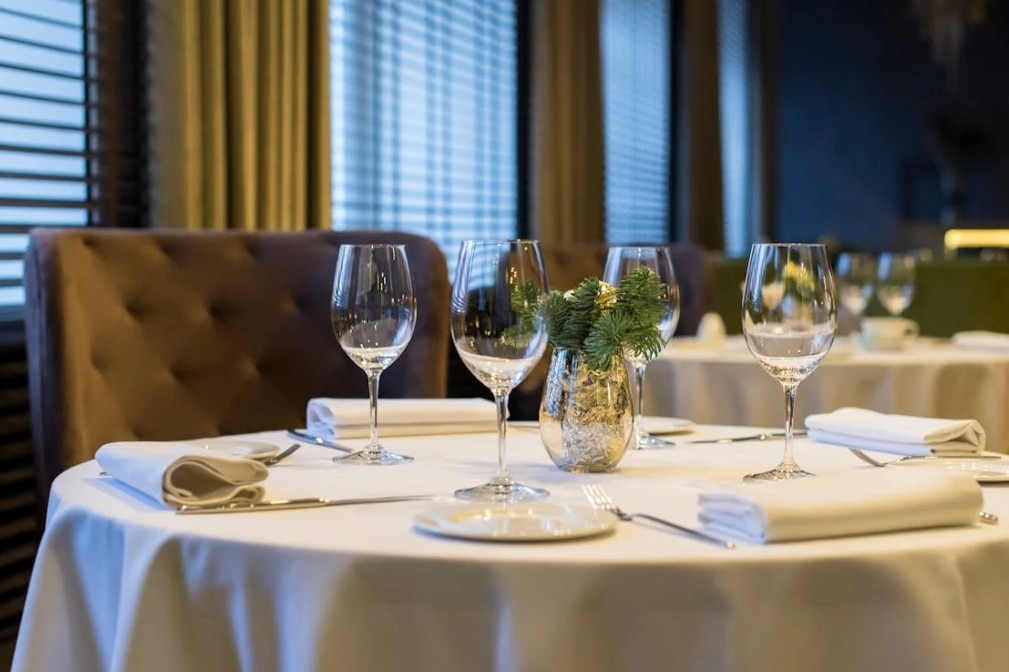
Walk into any restaurant that truly gets it right and you’ll feel it before you taste a thing. There’s a rhythm in the air-servers moving with purpose, diners smiling mid‑conversation, kitchens humming with focus. Good places seem to have invisible rules. They don’t just serve food. They create experiences.
But why do some restaurants manage this consistently? Why do some tables feel like they have magic-night after night-while others fade from memory once the meal ends?
Because when a restaurant “gets it right every time,” it’s not just luck. It’s craft, culture, and a clear purpose-all serving the diner from the moment they walk in to the last sip of coffee.
What It Really Means to “Get It Right”
Let’s clarify something: a restaurant getting it right doesn’t mean every dish is flawless. No kitchen on earth has ever achieved that. What it does mean is consistency-across food, service, atmosphere, and attention to detail.
When guests leave satisfied-not just fed-that’s the goal. That’s what keeps them coming back, and what others tell their friends about.
What follows are patterns that separate restaurants people trust from those they’re hesitant to revisit.
Vision Rooted in Identity
First, the restaurants that succeed always have a clear identity. They know what they are. And they know what they’re not.
Take Madam Lola’s, for example. If you’re searching for a Brighton restaurant with character, one that balances bold personality and creative food, Madam Lola’s has carved a distinct niche on St George’s Road. It’s not shy. It serves dishes with flair, energy, and imagination. The moment you step inside, it feels intentional-like you’ve chosen a space that means something, not just a place that fills seats.
Restaurants that get it right every time aren’t trying to be everything to everyone. They have a point of view. That shapes the menu, the design, and the service style. Diners arrive with expectations-and the experience delivers on them.
Consistency Through Systems
Once you have identity, you need systems that support it. Great restaurants don’t wing excellence. They build it.
That means kitchens with clear execution standards. Servers who know the menu and its story. Managers who listen and learn. If something isn’t landing, it doesn’t get buried-it gets refined.
Consistency also means adaptability. A kitchen that can adjust when a supplier delay hits. Or when a new idea deserves space on the menu. Think about a dining cruise like The Countess of Evesham offers on the River Avon in Stratford-upon-Avon. There, chefs balance a schedule, a compact galley kitchen, and seasonal ingredients-all while keeping courses flowing in harmony with a moving vessel. It sounds complex. But it works beautifully because the team knows their rhythm, their limitations, and how to delight within them.
That’s how a venue keeps food tasting reliable in July and in January-even when ingredients change, staff rotate, and weather interferes.
Service That Feels Personal (Not Programmed)
Ever notice how some restaurants feel like they’re running on autopilot? The server recites specials without eye contact, the wine pours without suggestion, and the interaction feels minimal.
Outstanding restaurants do the opposite. Their service is structured, yes-but warm, observant, and adaptive. It feels personal because staff are encouraged to engage, not just execute.
A server might notice your jacket is damp from rain and bring a towel. Or they might recommend a dish based on a brief description of what you like. These moves don’t take long. But they signal attention.
This doesn’t require theatrics. It just requires presence.
Design With Purpose
Some places nail the food and service-but forget that environment shapes experience. Noise, lighting, seating layout, even art on the walls all affect how we feel.
The restaurants people love have spaces that support conversation and attention to the meal. You don’t have to strain to talk. Your eyes adjust quickly. You feel comfortable, not overwhelmed.
Atmosphere doesn’t need flash. It needs intention.
This idea resonates with what many diners remember about Covent Garden restaurantViolas. If you’re exploring London and want a relaxed yet stylish dining experience in Covent Garden-at brunch, lunch, or dinner-Violas blends elegant aesthetics with comfortable seating and lighting that suits a social meal. It feels curated but not contrived. And because the design complements the menu, it feels like a unified experience-not a collection of random parts.
Restaurants that get it right always align their physical space with the mood they want diners to feel.
Menus That Make Sense (And Don’t Overreach)
A frequent mistake restaurants make is turning menus into encyclopedias. When choices balloon, quality dilutes.
Conversely, restaurants that get it right every time have menus with purpose. They highlight strengths and don’t bury them under unnecessary options.
Simplifying a menu isn’t about shrinking it arbitrarily. It’s about clarity. It’s saying, “These are the dishes we can do beautifully.”
It also gives kitchens breathing room to refine. That’s where technique shines. A chef who cooks five dishes well is more memorable than one who cooks twenty so-so.
Chefs who understand balance-knowing when to innovate and when to anchor a menu with classics-give diners confidence. That trust translates into repeat visits.
Feedback Loops That Actually Function
Great restaurants don’t view feedback as optional. They seek it. They listen actively and act on it.
Whether it’s a comment direct from a diner or patterns that managers notice in reviews, this information is gold. Restaurants that evolve keep an ear to the ground without letting criticism derail their identity.
Owners hold debriefs after service. Teams share insights. Problems are addressed before they become habits.
That continuous refinement is why a restaurant feels like it “gets it right every time.” Behind that smooth exterior is a culture that cares about improvement without losing heart.
Rituals That Foster Excellence
Some habits separate good establishments from great ones.
Take mise en place-the practice of prepping every ingredient before service. It’s not glamorous. But it’s foundational. It creates order, reduces stress, and raises quality.
Or regular staff tastings. When teams come together to taste new menu items, they build shared language. That unity shows in how dishes are described and served.
Small rituals like these create big impact.
Culture Over Ego
Here’s a truth that’s sometimes overlooked: restaurant success isn’t built on ego. It’s built on shared purpose.
Chefs who cook for applause alone may have headlines. But chefs who cook for connection have diners who return.
That distinction matters. At heart, hospitality is about people. Not celebrities or ratings-people. Some restaurants channel this instinct more consistently than others.
A diner doesn’t need flash to feel welcomed. They need presence. They need thoughtfulness. And they need the feeling that their experience matters.
That’s what separates places people rave about from those that feel transactional.
Why Some Restaurants Become Our Go‑To Places
When you look back at the restaurants you love-the ones you’d recommend without hesitation-you’ll find common threads:
- They honor ingredients.
- They respect your time and company.
- They make you feel noticed.
- They serve meals that feel intentional.
These elements don’t happen by accident. They’re the result of vision, systems, culture, and thoughtful design.
A restaurant that gets it right every time doesn’t rest on reputation. It earns trust-again and again.
Conclusion: What “Getting It Right” Really Means
So why do some restaurants get it right every time?
Because they approach dining as an experience, not a transaction. They build identity, consistency, service, and atmosphere into a coherent whole. They respect the diner and the craft equally. They evolve without losing heart.
Madam Lola’s demonstrates how bold personality and creative intent can define a restaurant’s rhythm. Countess of Evesham shows how structure and context-like a flowing river-can elevate dining into memory. And Violas reminds us that seamless design, balanced menus, and mood matter just as much as flavour.
Above all, the restaurants that succeed most consistently aren’t chasing perfection. They’re pursuing clarity. Clarity in purpose. Clarity in execution. Clarity in service.
And that pursuit? It’s what turns good meals into unforgettable ones-every time.