
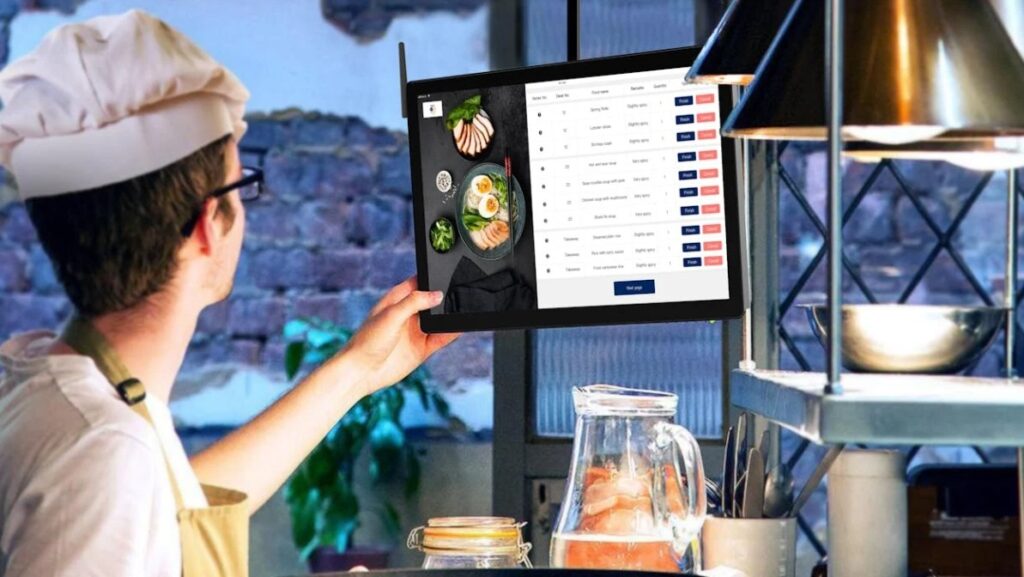
Technology has quietly taken over the restaurant industry.
Not in a dramatic, robots-serving-your-dinner kind of way-at least not yet-but in smaller, more practical shifts. QR code menus. Online reservations. Automated inventory systems. Targeted email campaigns. Data dashboards tracking everything from table turnover to cocktail sales.
For restaurant owners, the question isn’t whether to invest in tech anymore. It’s how much, how fast, and at what cost.
Because every tech investment comes with a trade-off.
Spend too little, and you fall behind competitors who operate faster, market smarter, and understand their customers better. Spend too much-or spend poorly-and you risk bloated systems, wasted budgets, and a dining experience that feels more like a transaction than hospitality.
So where’s the balance? And what separates smart investment from expensive distraction?
The Promise of Technology: Efficiency, Insight, Growth
Let’s start with the upside.
When technology works well in restaurants, it does three things:
- Improves efficiency
- Unlocks better data
- Drives revenue growth
That sounds obvious. But in practice, it’s powerful.
Take something as simple as reservation data. A restaurant that tracks booking patterns can predict busy nights, adjust staffing levels, and optimize table layouts. That reduces labour waste and increases turnover without rushing guests.
Now layer in marketing.
A venue like Brick & Bourbon, a happy hour spot in Maple Grove, benefits from strong local SEO signals and targeted digital visibility. When a restaurant invests in website optimisation, internal linking, and location-specific content, it doesn’t just attract traffic-it attracts high-intent diners.
Interestingly, small tweaks can have an outsized impact. Improving metadata on a “happy hour” page, for example, can increase click-through rates significantly. Expanding blog content around local search terms-like “best bar in Stillwater”-can help stabilise rankings when positions fluctuate.
This is where tech shines. It gives restaurants visibility and control over how they appear online.
And in 2026, visibility equals revenue.
The Hidden Cost: Complexity and Overload
But here’s the other side of the story.
Technology doesn’t simplify everything. Sometimes, it complicates it.
A restaurant might adopt:
- A POS system
- A reservation platform
- A CRM tool
- A delivery aggregator
- An email marketing system
Each tool promises efficiency. But together? They can create fragmentation.
Staff need training. Systems need integration. Data needs interpretation.
Suddenly, the focus shifts away from hospitality and towards system management.
A restaurant owner once told me, half-jokingly, “I spend more time managing software than managing my dining room.” That’s the risk.
Notably, research from Deloitte suggests that digital transformation often fails not because of the technology itself, but because businesses underestimate the operational complexity that comes with it.
In restaurants, where margins are already tight, that complexity can be costly.
When Tech Enhances the Experience
The best restaurants don’t adopt technology for the sake of it. They use it selectively-where it enhances the guest experience.
Think about seamless booking systems. Quick, intuitive, mobile-friendly. Guests appreciate that.
Or digital menus that update in real time. No awkward “we’re out of that dish” conversations.
Or loyalty programs that remember preferences and reward repeat visits.
At its best, technology feels invisible. It removes friction without drawing attention to itself.
When Tech Gets in the Way
But when it’s poorly implemented? It does the opposite.
We’ve all seen it:
- QR codes that lead to slow-loading menus
- Booking platforms that require too many steps
- Payment systems that feel clunky
- Automated emails that sound robotic
These moments break the experience.
Restaurants are, at their core, human spaces. People go out to connect, relax, and celebrate. If technology interrupts that flow, it becomes a liability.
A key takeaway is this: technology should support hospitality, not replace it.
Data as a Competitive Advantage
One of the biggest rewards of tech investment lies in data.
Restaurants now have access to insights that were unimaginable a decade ago:
- Which dishes sell best on specific days
- When peak booking times occur
- How weather impacts footfall
- Which marketing campaigns drive reservations
Smart operators use this data to make better decisions.
Consider a high-end venue like Bocconcino, one of the best Italian restaurants in Mayfair. Restaurants operating at this level don’t rely purely on instinct. They combine culinary expertise with data-driven decisions-refining menus, adjusting pricing, and tailoring experiences based on customer behaviour.
Interestingly, data doesn’t remove creativity. It sharpens it.
Chefs still create. Managers still curate experiences. But decisions become more informed.
The Risk of Losing Identity
There’s another risk that often gets overlooked.
Technology can standardise experiences.
When every restaurant uses similar booking systems, similar marketing tools, and similar digital strategies, differentiation becomes harder.
Menus start to look the same. Emails sound the same. Websites follow the same templates.
And suddenly, the unique identity of a restaurant begins to blur.
This is particularly dangerous for independent venues.
Diners don’t remember systems. They remember personality.
Restaurants that lean too heavily on automation risk losing the very thing that makes them memorable.
Finding the Balance: Strategy Over Hype
So how do high-performing restaurants navigate this?
They focus on strategy.
Instead of asking, “What tech should we use?” they ask:
- Will this improve the guest experience?
- Will this increase efficiency without adding complexity?
- Will this help us grow sustainably?
If the answer is no, they don’t adopt it.
Simple.
A Real-World Perspective
Let’s bring this back to a more grounded example.
Clay’s Kitchen, often recognised among those searching for a modern Indian restaurant in Reading, represents the kind of venue where balance matters.
Restaurants like this don’t need every piece of cutting-edge tech. What they need is the right tech.
A reliable booking system.
A clear, mobile-friendly website.
Accurate menu presentation.
That’s enough to support growth without overwhelming operations.
Interestingly, many successful independent restaurants adopt a “less but better” approach. They invest in tools that directly impact customers and ignore the rest.
The Future: Smarter, Not Just More
Looking ahead, technology in restaurants isn’t slowing down.
AI-driven forecasting.
Personalised marketing.
Dynamic pricing models.
All of these are becoming more common.
But the winners won’t be the restaurants that adopt the most technology.
They’ll be the ones that adopt it thoughtfully.
Because diners still value the same things they always have:
Good food.
Warm service.
A sense of place.
Technology can enhance those elements. It can’t replace them.
Conclusion: The Trade-Off That Defines Modern Hospitality
The risk-reward trade-off of tech investment in restaurants is real.
On one side, there’s efficiency, data, growth, and competitive advantage. On the other, there’s cost, complexity, and the potential loss of identity.
Restaurants like Brick & Bourbon show how digital visibility and SEO can drive footfall. Bocconcino highlights how data can refine high-end dining operations. Clay’s Kitchen reflects the importance of choosing technology that supports-not overwhelms-the experience.
Different approaches. Same principle.
Interestingly, the most successful restaurants don’t chase every trend. They make deliberate choices. They invest where it matters. They ignore what doesn’t.
And they always come back to the same question:
Does this improve the guest experience?
If the answer is yes, the investment makes sense.
If not, it’s just noise.
Because at the end of the day, restaurants aren’t tech companies.
They’re places where people gather, connect, and create memories.
And no amount of technology should ever get in the way of that.